esp32 Midi processor

This project has been sponsored by PCBWay. Read below for more details on this.

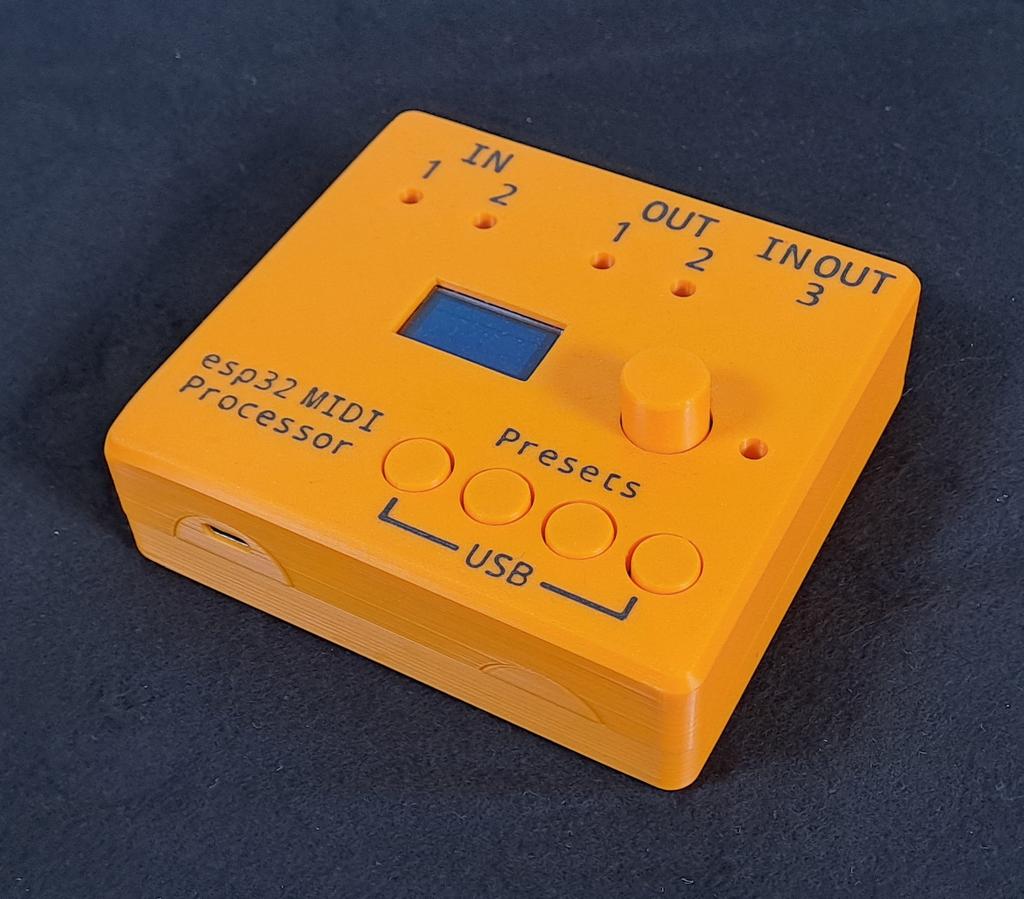
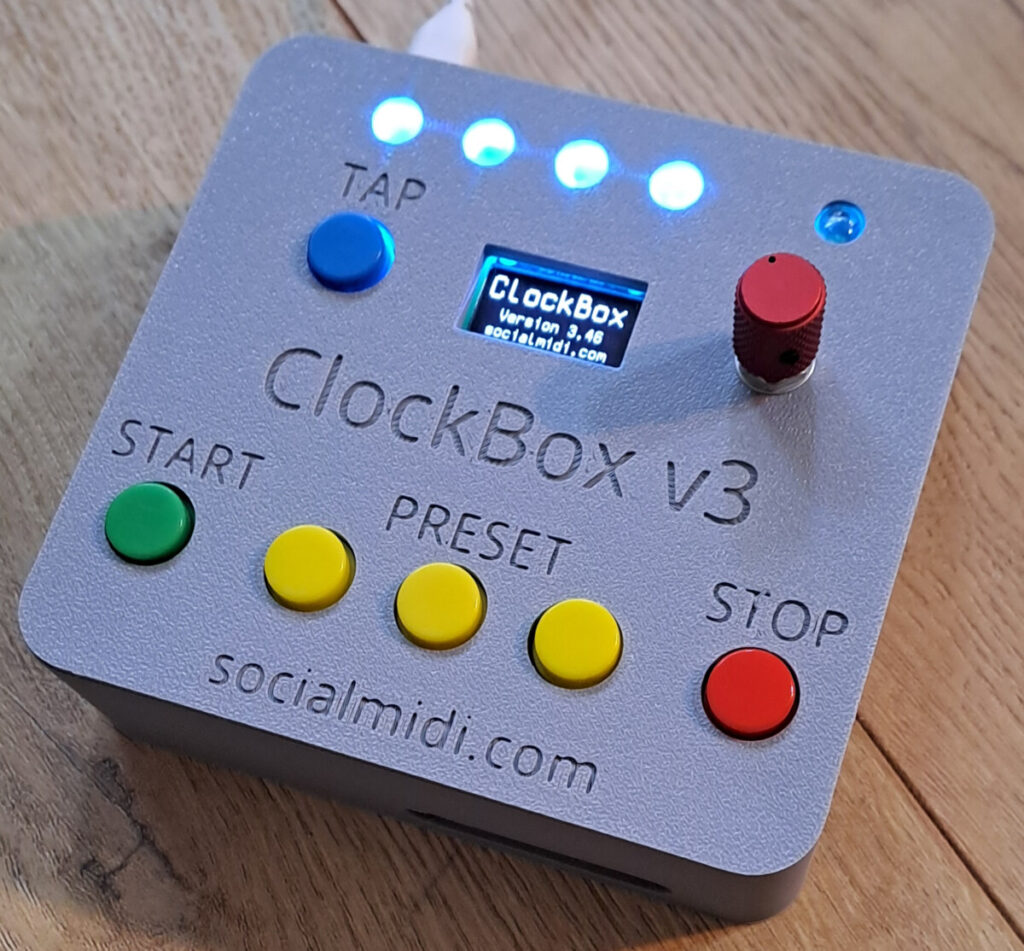
While developing the ClockBox I had some ideas that were not suited to be put into that project. However, they were too good to be gutted- at least for me. That’s why I developed the esp32 midi processor. In short: it’s an esp32 with 2 independent Midi IN- and 2 independent Midi OUTputs, a USB-host adapter and some buttons, etc.
The circuit itself might also serve as a base for the next years of midi projects to come.

The first thing I built with this platform is a universal midi processor/ modulator/ merger.

Continue reading

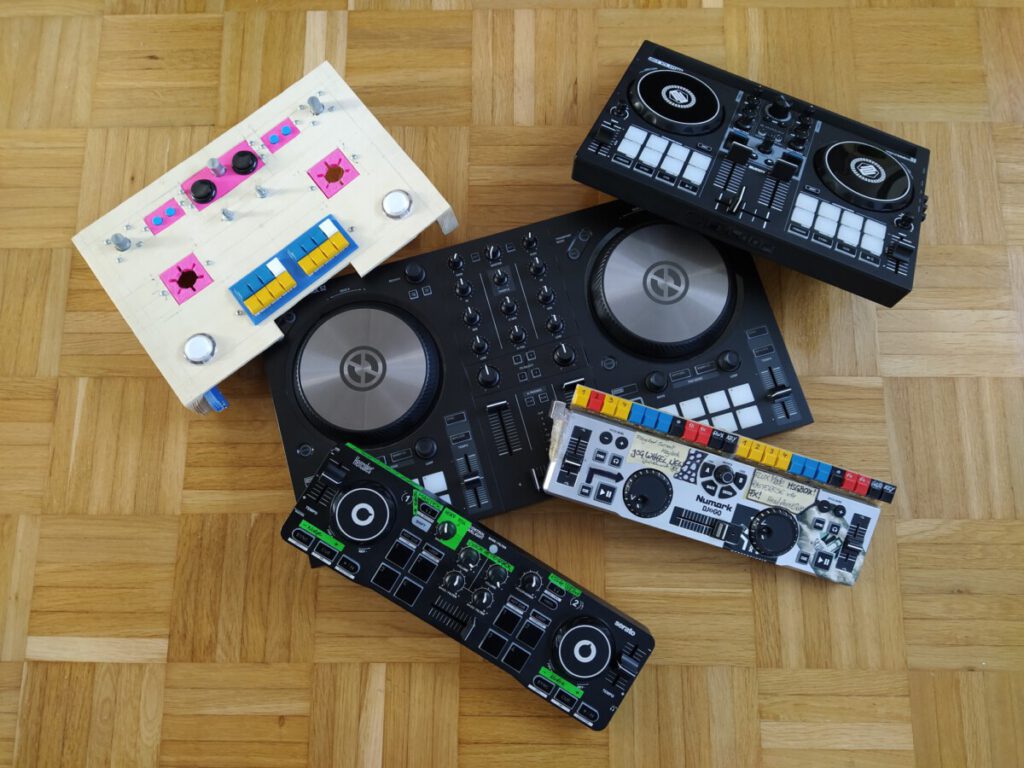
The smallest possible digital DJ-Setup

I finally did it and built the smallest possible DJ System I can imagine. Have a look at this video to get an idea of its size and basic operation. It’s an early protoype, a little rough around the edges but it allows you to get a first impression.

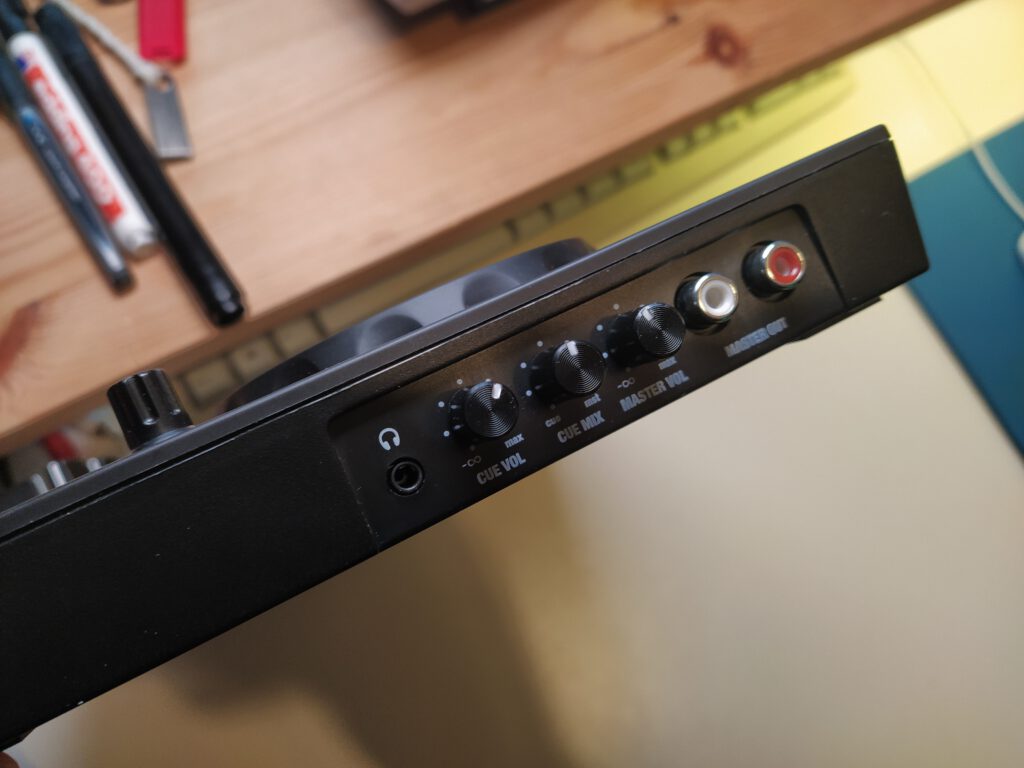
The system is based around mixxx running on a Raspberry Pi 4. It’s battery-backed and allows for standalone operation of ~2.5 hours. It can be connected to a power outlet anytime for uninterrupted operation over a longer period. It features 2*mono out and allows to be connected to a mixing desk or an active speaker/ boombox.

Continue reading

OSC to MIDI | Midi to OSC | Midi over Network

This tool acts as a helper between Midi and OSC. It allows you to receive OSC data and forward them to a Midi-device and/or (yes, simultaneously) vice versa. I somewhat accidentally discovered that you can use this tool to also transmit Midi data over network (over OSC). It’s based on openFrameworks. It works on Mac, Windows and probably on a Raspberry Pi. Source code and binaries for Mac and Windows are available on Github .

Continue reading

Hercules Starlight Midi Mapping

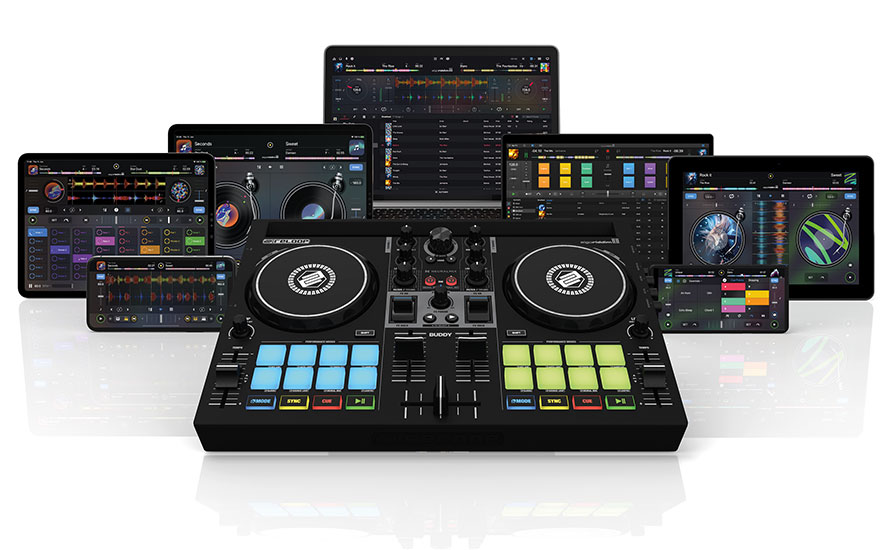
A few weeks ago I bought the Hercules Starlight Midi controller because … of reasons and due to the fact that I started playing music on M-Audio’s infamous Torq DVS I have some leftover-habits of how I want my software / controller to react. That’s why it was ab-so-lute-ly necessary to create a customized MIDI mapping for using Traktor. By the way, did I ever tell you? When Torq 2 came out I was one of the alpha-testers. Thank me for Torq 2.x not crashing when using a MIDI device that presents itself with an umlaut. (I guess the NDA is more than obsolete since Torq is no more for a long time already).

Creating this mapping I didn’t start from scratch but based my work on an already existing one. As far as I remember it was this one but don’t quote me on that. However, big thanks to DJ Roberts over at the DJTechTools forum.

Continue reading